Search That Gets What Your Customers Mean
Default search matches keywords. Contexa matches intent. When a customer searches "red running shoes" and your product is called "Crimson Athletic Sneakers" — default search returns nothing. Contexa returns the right product.

What Semantic Search Does for Your Store
Customers rarely search using perfect product names.
Instead they type things like:
- “comfortable office chair”
- “gift for coffee lover”
- “light summer jacket”
- “small table for balcony”
Traditional search systems struggle with these types of queries because they rely heavily on keyword matching.
Semantic search focuses on understanding intent, not just matching words.
This allows the search system to return relevant products even when the query doesn’t exactly match product titles.

Why Keyword Search Keeps Failing
Most ecommerce search systems depend on:
- exact keyword matches
- simple text indexing
- manually configured synonyms
This approach creates several problems.
Customers may search using:
- alternative product names
- descriptive phrases
- incomplete queries
- natural language
When the system fails to understand these queries, relevant products may not appear in the results.
This leads to a frustrating search experience and missed opportunities for product discovery.
.png)
How It Works Under the Hood
The Contexa search engine analyzes both the customer query and the product data to understand relationships between them.
Instead of matching only titles or keywords, the system evaluates:
- product descriptions
- attributes and metadata
- contextual meaning of the query
This allows the system to identify products that are conceptually related to the search phrase.
For example:
A search for:
“mixture for meatballs”
can return products designed for preparing meatballs even if the product name does not contain the exact phrase.
This improves the likelihood that customers will find the right product on the first search attempt.
Natural Language Queries
Customers can search using descriptive phrases rather than exact product names.
Contextual Product Matching
Products are matched based on meaning rather than simple keyword overlap.
Multilingual Search
Search queries can be interpreted across multiple languages, helping stores serve diverse customer bases.
Search Suggestions
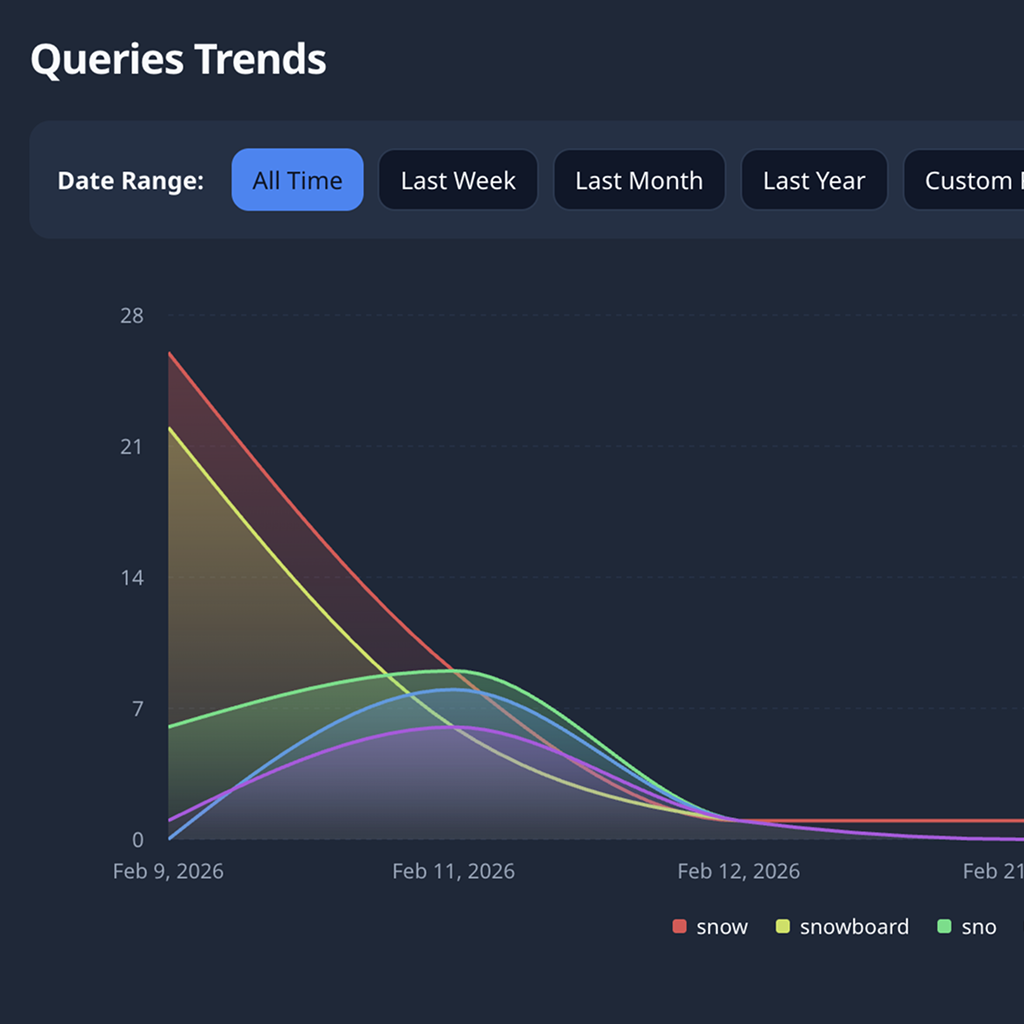
The system can suggest related queries based on search patterns and previous user interactions.
Continuous Learning
The search engine improves over time as it learns from real search behavior.
See the Difference in Action
Here are examples of how semantic search improves product discovery.
- “comfortable office chair” - ergonomic office chair
- “gift for coffee lover” - premium coffee gift set
- “small table for balcony” - compact outdoor side table
- “light running shoes” - lightweight running sneakers
In each case, the system understands the intent behind the query, not just the literal words.

.png)
Give Your Store Semantic Product Search
Enable search that understands intent and delivers the right product every time.
Stop losing sales to keyword mismatches.
Explore the PlatformScales With Your Catalog
Semantic search becomes especially valuable as product catalogs grow.
Large catalogs often contain:
- many similar products
- complex product attributes
- multiple variations of the same item
By understanding product meaning and search intent, Contexa helps customers navigate these catalogs more efficiently.
This leads to better product discovery and a smoother shopping experience.