The Complete Guide to Ecommerce Product Search
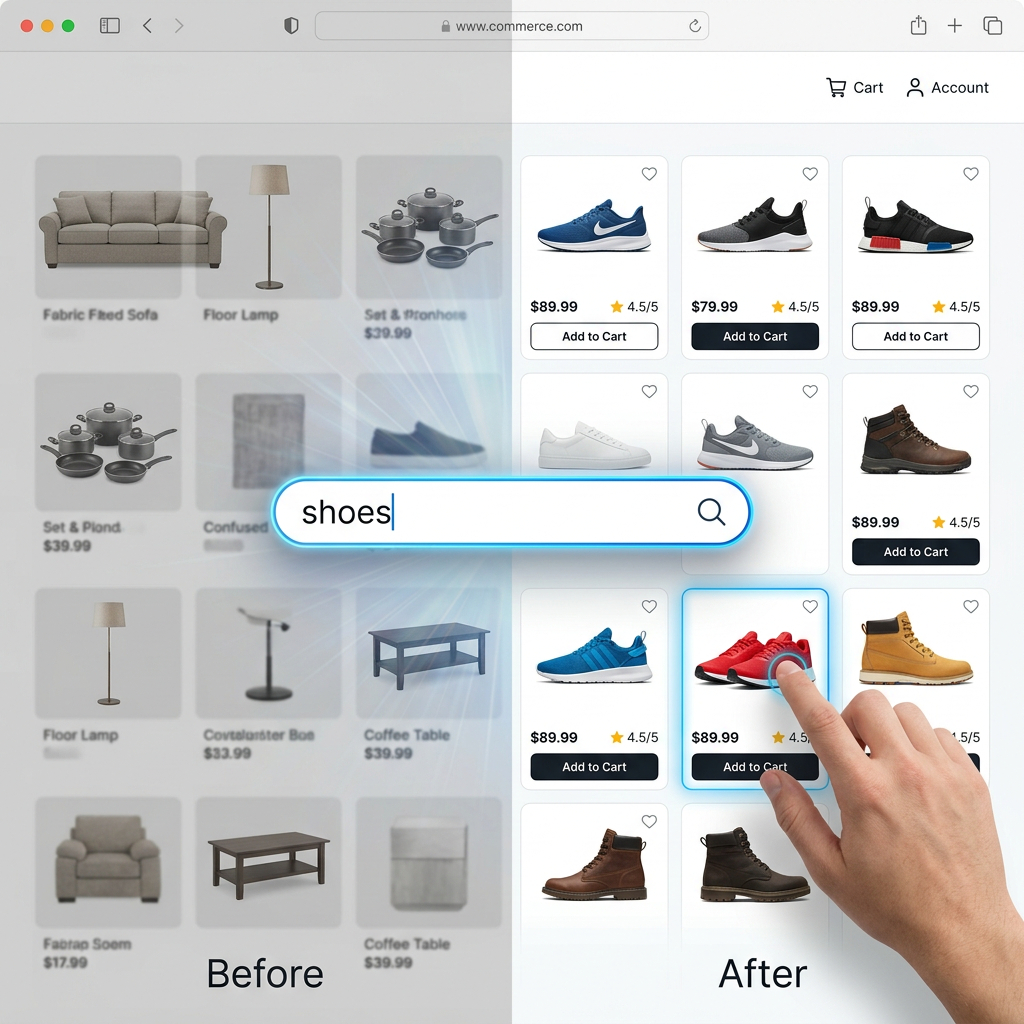
Search users convert 2–3x higher than browsers. They know what they want. Your search either delivers — or they leave. This guide covers everything: how ecommerce search works, where it breaks, and how to fix it.
Why Product Search Is Your Biggest Revenue Lever
Visitors who use the search bar behave differently from other shoppers.
Search users typically:
- know what they want to buy
- are closer to making a purchase
- expect fast and relevant results
When search works well, customers can quickly locate the products they need.
When search fails, customers often leave the site entirely.
Improving ecommerce search helps stores:
- increase product discovery
- reduce customer frustration
- improve conversion rates
- uncover new product demand
The Most Common Search Problems
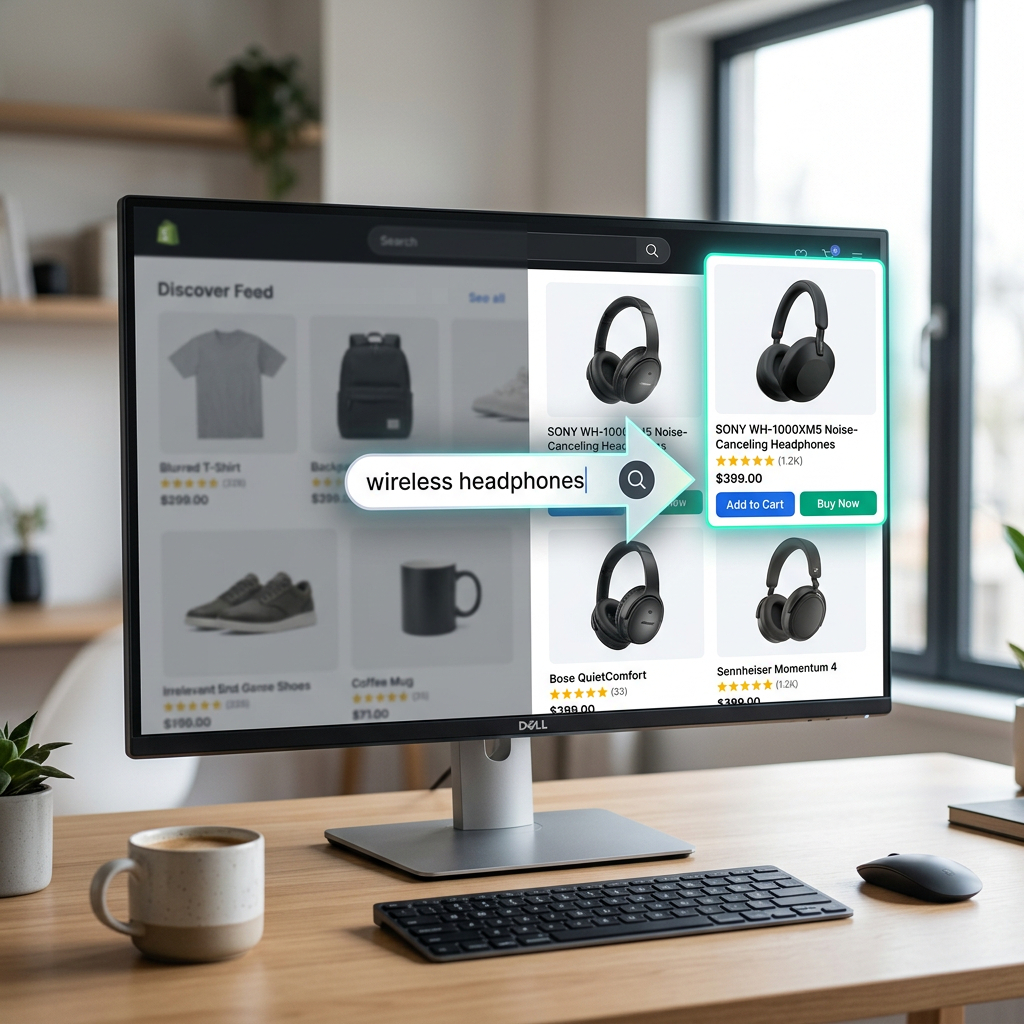
Many ecommerce platforms provide basic search functionality by default. While this may work for small catalogs, it often becomes problematic as product catalogs grow.
Here are some of the most common search problems.
Keyword Matching Limitations
Traditional search engines rely on exact keyword matching.
If the customer’s query does not match the product title or description exactly, relevant products may not appear.
Poor Query Understanding
Customers often search using natural language or incomplete phrases.
Examples include:
- “gift for coffee lover”
- “comfortable office chair”
- “summer running shoes”
Basic search systems struggle to interpret these types of queries.
Missing Synonyms
Customers frequently use different words to describe the same product.
For example:
- sofa vs couch
- sneakers vs running shoes
- hoodie vs sweatshirt
Without synonym support, these searches may produce inconsistent results.
Lack of Search Insights
Many stores collect search queries but do not analyze them.
This means store owners cannot easily see:
- what customers are searching for
- which searches fail
- which queries lead to purchases
Without this insight, it becomes difficult to improve search performance.
Poor Ranking of Search Results
Even when relevant products exist in the catalog, they may not appear in the most visible positions in search results.
Search engines often rank results based on simple text matches rather than product relevance or popularity.
This can cause situations where:
- less relevant products appear first
- best-selling products are buried lower in results
- customers struggle to find the most suitable items
Improving ranking logic helps ensure that the most relevant products appear at the top of search results.
No Personalization
Most ecommerce search systems show the same results to every visitor.
However, different customers may be interested in different types of products depending on their behavior, preferences, or shopping journey.
Without personalization, search results and product recommendations cannot adapt to individual visitors.
Personalized search experiences can help surface products that better match the visitor’s interests.
What Makes a Great Ecommerce Search System
Improving ecommerce search requires more than simply installing a search bar.
A high-performing search experience is built on a combination of intelligent systems working together behind the scenes.
Modern ecommerce search needs to understand user intent, adapt to different ways customers describe products, and continuously refine results based on real behavior.
It should not only return accurate matches, but also guide users toward relevant products they might not have initially considered.
When these components work together, search becomes more than a utility — it becomes a powerful engine for product discovery, customer satisfaction, and conversion growth.

Semantic Search
Semantic search focuses on understanding the meaning behind queries rather than matching exact keywords. This allows customers to search using descriptive phrases and still receive relevant results.
Synonym Recognition
Search systems should recognize alternative terms customers use for the same product. Automatically learning synonym relationships from search behavior helps improve search accuracy over time.
Product Recommendations
Search experiences can be enhanced by suggesting related products or alternative items. These recommendations help customers discover products they might not have initially searched for.
Search Analytics
Analyzing search behavior helps identify opportunities to improve product discovery.
Behavior Tracking
Tracking how customers interact with search results helps understand whether results match customer expectations.
How to Improve Product Findability
Search plays a major role in helping customers discover products.
A well-optimized search experience allows customers to explore the catalog efficiently and locate relevant items quickly.
Improving product discovery may involve:
- refining product metadata
- expanding synonym relationships
- improving search ranking logic
- analyzing customer search patterns
When these elements work together, search becomes a powerful tool for guiding customers toward relevant products.
How to Measure Search Performance
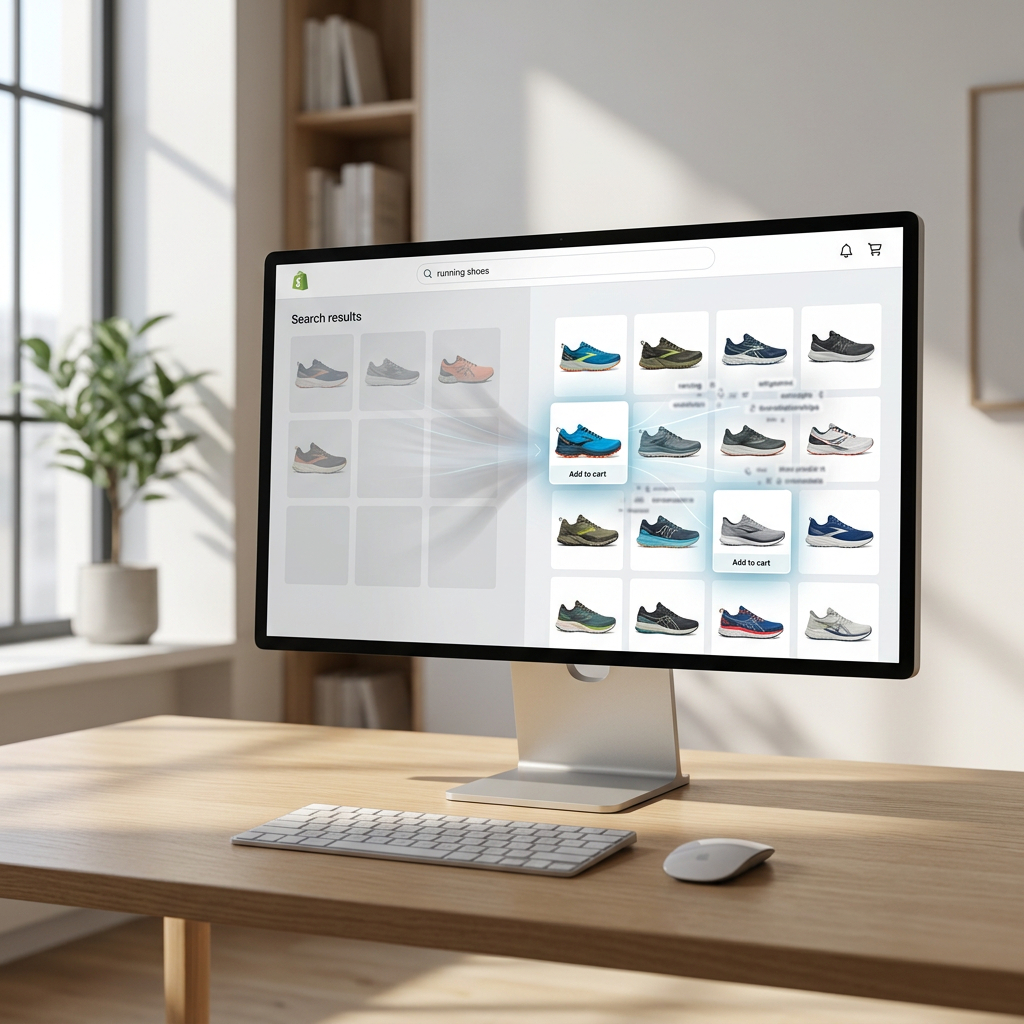
To optimize ecommerce search, stores need clear metrics that indicate whether search is working effectively.
Common search performance indicators include:
- search conversion rate
- product click-through rate from search results
- search queries that produce no results
- searches that lead to purchases
Monitoring these metrics helps teams identify areas where the search experience can be improved.


Improve Your Ecommerce Search Today
Start with the data. Understand how customers search. Then optimize.
Better search means better revenue. It's that simple.
Book a demoHow Contexa Makes This Easy
Contexa provides tools designed to help ecommerce stores understand and optimize their search experience.
The platform analyzes search behavior, tracks customer interactions, and identifies opportunities to improve product discovery.
Key capabilities include:
- semantic product search
- search analytics and insights
- recommendation systems
- behavioral tracking
- search optimization tools
These capabilities help stores turn search from a basic feature into a strategic part of the shopping experience.